What Is Credit?
Credit is the ability to borrow money or access goods and services with the agreement that you will pay later. Lenders provide credit based on trust and an evaluation of a borrower’s financial reliability. Proper use of credit opens doors to major financial opportunities, while poor credit can limit access and raise borrowing costs.
Why Credit Is Important
Credit impacts many areas of life, influencing:
- Loan approvals and interest rates
- Credit card eligibility
- Housing applications
- Insurance premiums
- Employment background checks in some industries
Strong credit demonstrates financial responsibility and offers better financial flexibility.
Types of Credit
1. Revolving Credit
Revolving credit allows borrowers to use funds up to a set limit and repay over time. Credit cards are the most common example. Balances can carry over month to month, and interest applies to unpaid amounts.
2. Installment Credit
Installment credit involves fixed payments over a predetermined period. Examples include:
- Auto loans
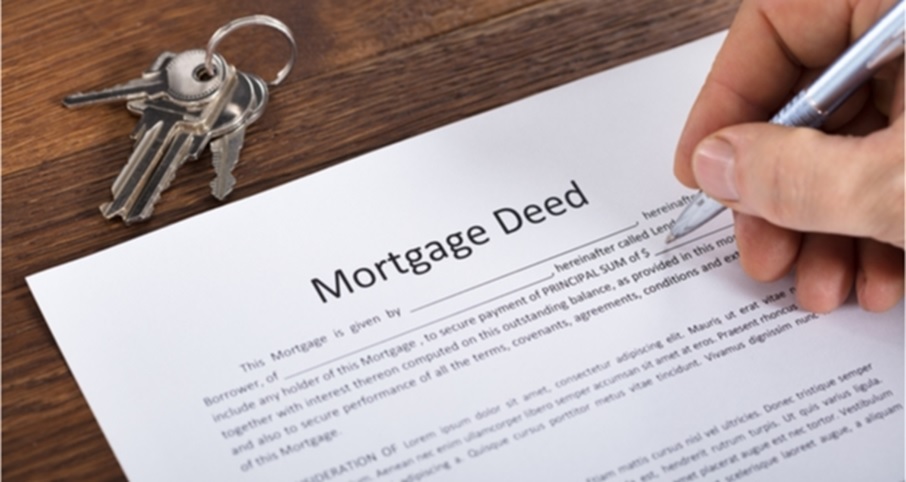
- Mortgages
- Personal loans
These loans provide predictable monthly payments and structured timelines.
3. Open Credit
Open credit requires the balance to be paid in full each month. Utility bills and charge cards fall into this category.
What Is a Credit Score?
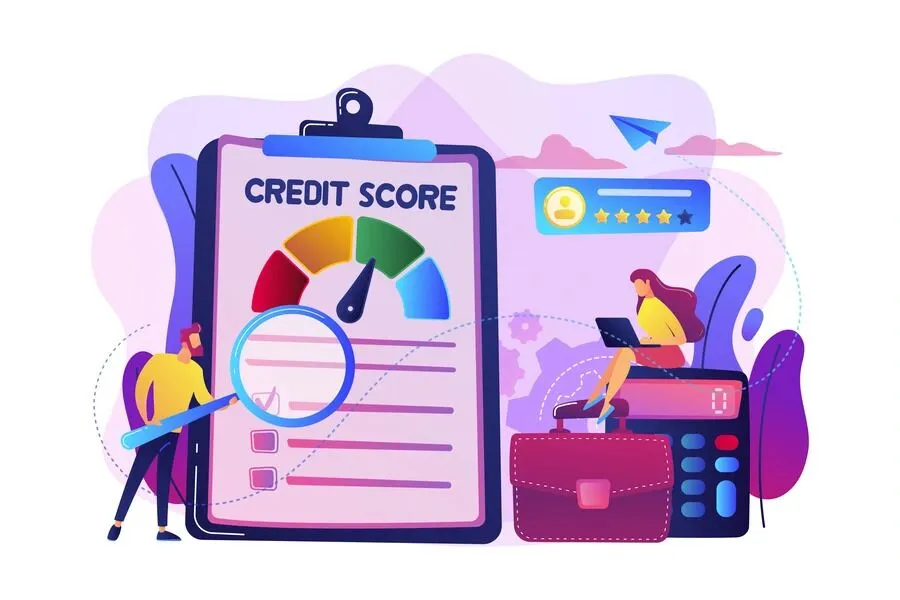
A credit score is a numerical representation of a person’s creditworthiness. It helps lenders assess the risk of extending credit. Scores typically range from 300 to 850, with higher scores indicating greater reliability.
Factors That Influence Credit Scores
Credit scores are calculated based on:
- Payment History: Timely payments build strong credit
- Credit Utilization: Lower usage of available credit boosts scores
- Length of Credit History: Longer histories show stability
- Credit Mix: A variety of credit types demonstrates responsible management
- Recent Inquiries: Frequent applications may lower scores temporarily
What Is a Credit Report?
A credit report is a detailed record of your credit history. It includes:
- Personal identifying information
- Credit accounts and balances
- Hard inquiries
- Public records (such as bankruptcy)
Reviewing your credit report regularly helps catch errors and identify areas for improvement.
How to Build and Maintain Good Credit
1. Pay Bills on Time
Consistently paying bills before the due date is one of the most effective ways to build strong credit.
2. Keep Credit Balances Low
Using too much of your available credit can harm your score. Ideally, utilization should stay below 30%.
3. Avoid Opening Too Many Accounts
Each credit application results in a hard inquiry, which can temporarily lower your score.
4. Maintain Long-Term Accounts
The longer an account stays open and in good standing, the more positively it influences your credit history.
5. Use Credit Responsibly
Monitor spending, repay balances regularly, and avoid unnecessary debt.
6. Check Credit Reports Frequently
Reviewing your report ensures accuracy and helps detect fraud early.
Benefits of Good Credit
A strong credit profile provides:
- Lower interest rates
- Higher credit limits
- Easier loan approvals
- Better housing opportunities
- Enhanced financial security
Common Mistakes to Avoid
- Making late payments
- Maxing out credit cards
- Ignoring credit report inaccuracies
- Relying solely on one type of credit
- Closing long-standing accounts without considering the impact
FAQs
1. How long does it take to build good credit?
Building strong credit can take several months to a few years, depending on financial habits and credit history.
2. Does checking my own credit score lower it?
No. Self-checks are considered soft inquiries and do not affect your score.
3. Can I improve my credit quickly?
While quick fixes are rare, reducing credit card balances and removing inaccuracies can lead to noticeable improvements.
4. How does credit utilization affect my score?
High utilization signals financial strain. Keeping usage low shows lenders you manage credit well.
5. Can closing a credit card hurt my score?
Yes, closing accounts can reduce available credit and shorten credit history, both of which may lower scores.
6. What should I do if I find errors on my credit report?
Dispute inaccuracies with the credit bureau immediately. Correcting errors can improve your score.